
Why the right size isn’t just a design issue
Product image size directly affects how quickly a page loads and how clearly the image is perceived. Files that are too large weaken performance, while files that are too small make the product look low quality. This balance matters for both user experience and SEO.
Heavy images slow down page speed, especially on mobile traffic. Users don’t want to wait for product details to load. That’s why proper sizing and compression are among the invisible but critical areas of optimization.
Aspect ratio should be considered per channel
Marketplaces, product detail pages, category grids, social media ads, and hero banners don’t all call for the same image ratio. For that reason, rather than producing a single master file and uploading the same one everywhere, you need to create different variations for different use cases. Square images can be more effective on listing screens, horizontal ratios on banners and blog covers, and vertical ratios for social media use.
The best approach is for the brand to define its fixed ratio sets in advance. That way the creative team doesn’t have to decide from scratch for every new product. A standardized production system is established.
When should you use JPEG, PNG, WebP, and other formats?
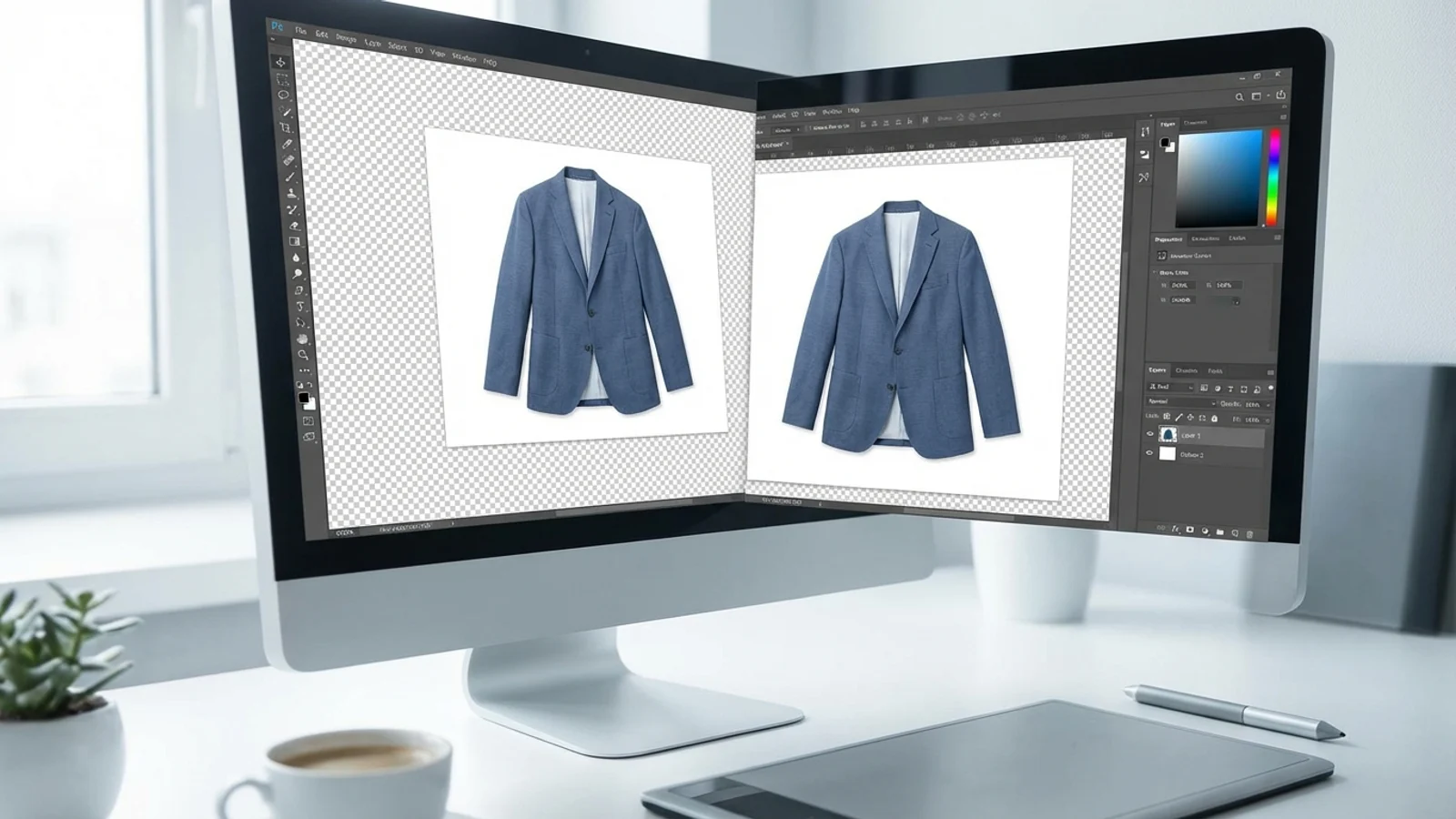
Although JPEG has long been one of ecommerce’s core formats, WebP now offers a very strong advantage in terms of the quality-to-size balance. PNG matters when you need a transparent background, but the file size can grow. That’s why you should choose each format based on its intended use rather than out of habit.
WebP is often a good choice on product detail pages. PNG may be needed for product assets with transparent cutouts. For ad creatives, it makes more sense to export separately depending on the platform. The rule is simple: if you can deliver the same quality in a lighter file, choose that option.
How should its relationship with SEO be considered?
The size and format of product images indirectly affect SEO because they affect the page experience. Slow-loading product pages can lower user satisfaction. Combined with the right file name, alt text, and optimization, well-sized images create a stronger page structure.
In the end, while product photo size and format may look like a small technical detail, their impact on growth is significant. Good content production finds its true value when it’s completed with a good delivery format.
Sources