What exactly does virtual mannequin dressing do?
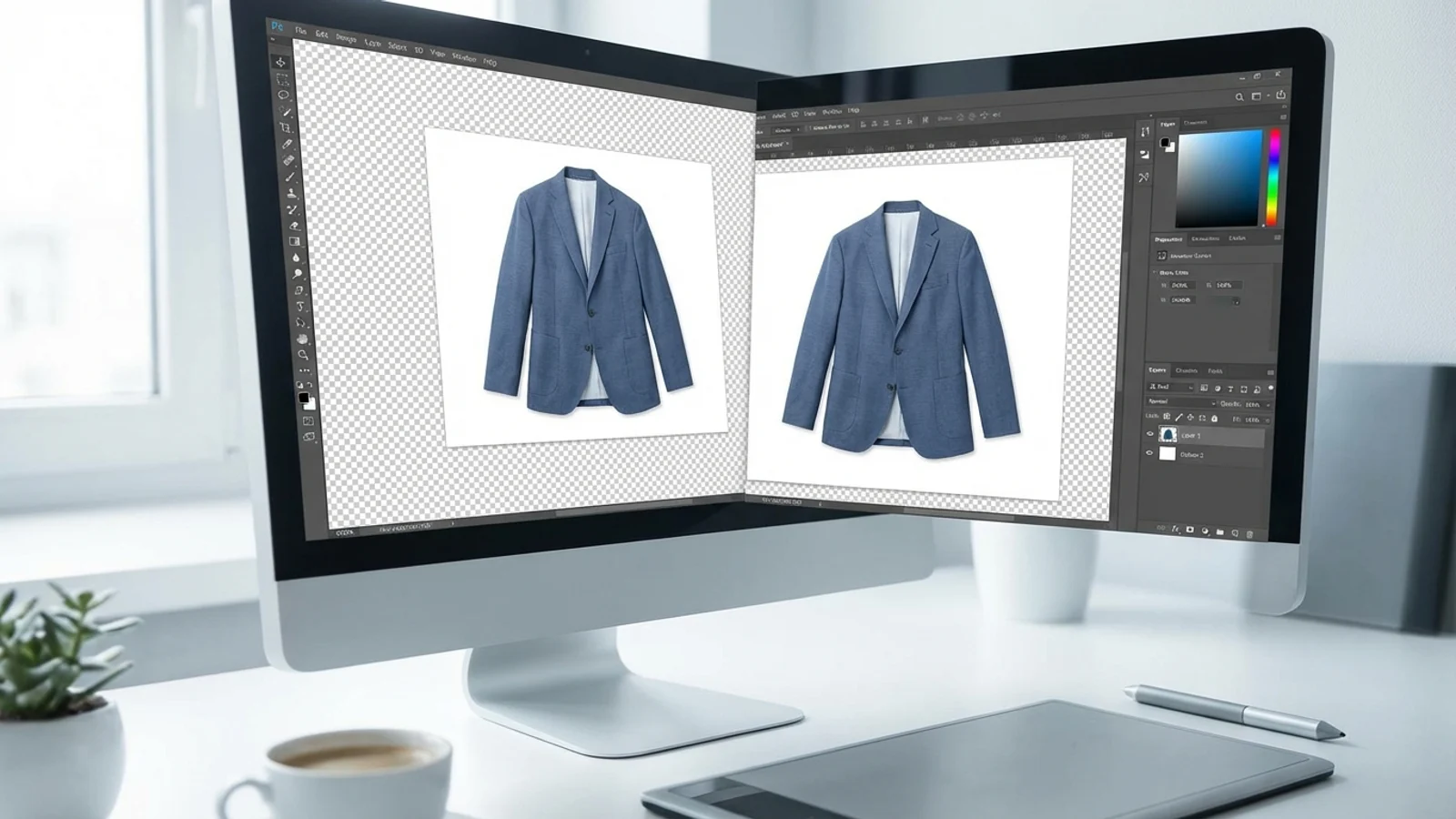
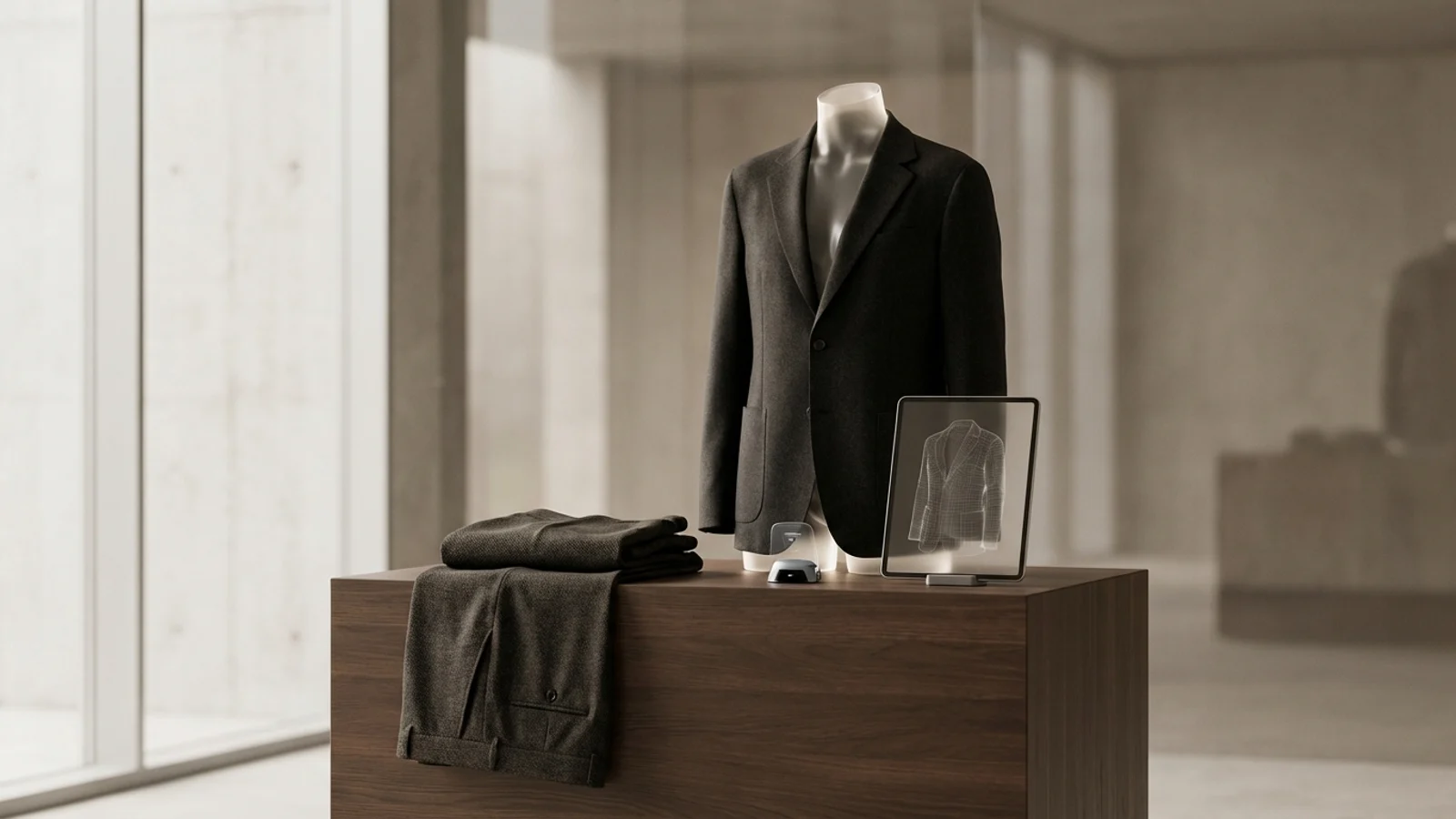
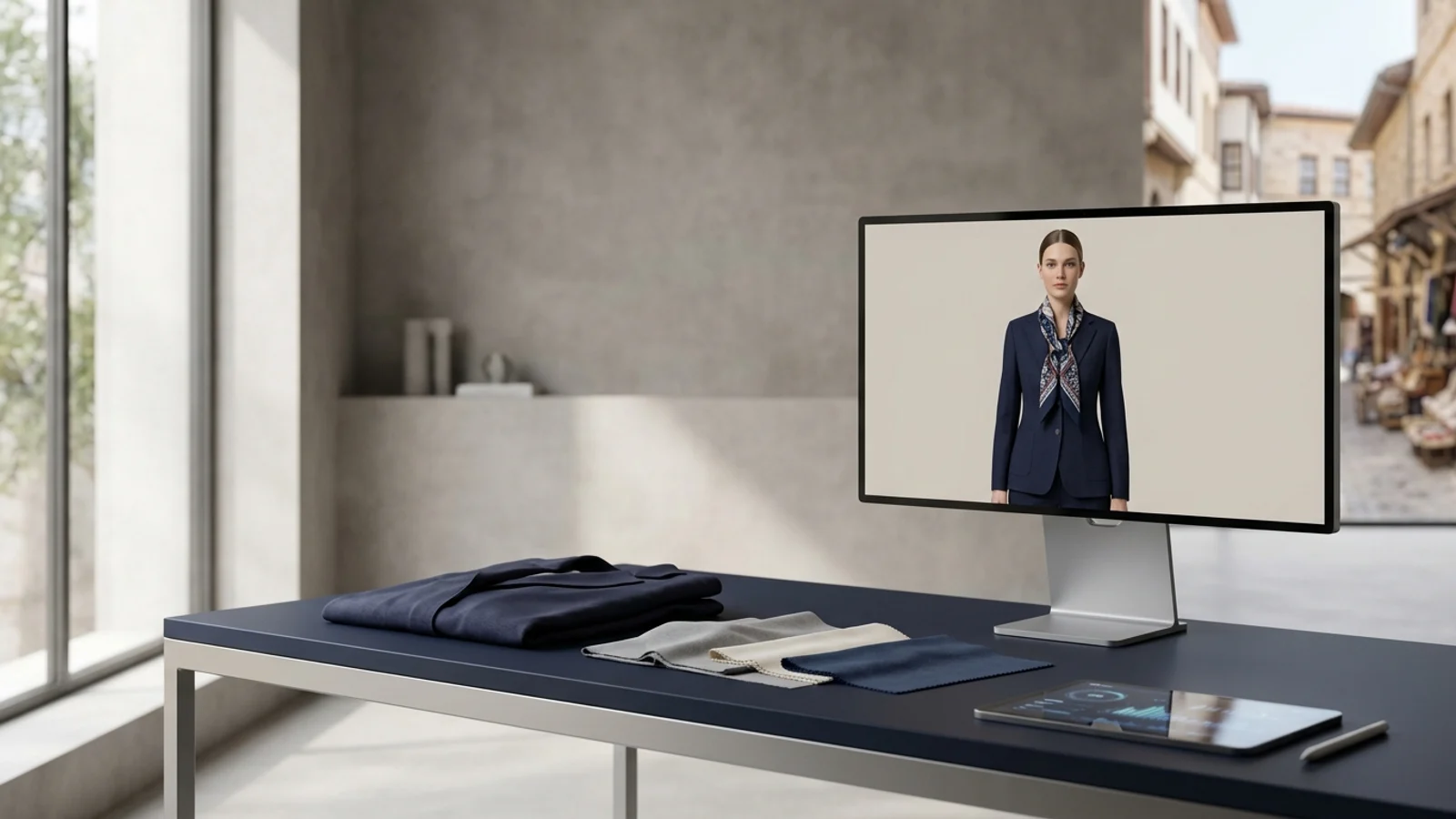
Virtual mannequin dressing is an AI-powered visual production process that takes a photo of a garment shot on a flat surface or on a hanger and shows it on a real human model instead. Where a traditional studio shoot requires many stages such as a model, styling, set construction and retouching, this approach makes it possible to produce far more variations and much faster, all from a single product image.
In Türkiye, this technology saves time especially for boutique brands, marketplace sellers and clothing businesses that run their own ecommerce sites. That is because showing the same t-shirt, shirt or jacket across different skin tones, different body types and different scenes no longer requires a reshoot. As a result, product image production becomes much more scalable.
- Turns a flat product photo into an on-model visual
- Generates multiple variations from a single product
- Does not require an operation as heavy as a studio shoot
How does it work and why is it attracting so much interest?
Two things sit at the center of the system: the right product input and the right model scene. The AI reads the cut of the garment, the way the fabric falls, the structure of the collar, the form of the sleeves and the overall silhouette, then rebuilds all of it on the chosen model. The critical point here is that the outputs must be not only beautiful but also consistent enough for commercial use. In other words, the product’s color, drape and overall perception must be preserved.
The main reason this technology is gaining attention is not just cost, and not just speed either. The real value is the flexibility it gives content teams and seller teams. When a new season arrives, instead of planning shoots for hundreds of SKUs, a collection can go live faster with well-prepared product images. This shortens time to market and creates an advantage during campaign periods.
Which brands is it better suited for?
Virtual mannequin dressing works particularly well for women’s clothing, men’s clothing, modest wear, basics, knitwear, denim and outerwear. That is because in these categories shoppers want to see how the product sits on the body. Seeing only a product image on a white background is often not enough to make a purchase decision. Scale, proportion and a sense of how it is worn have to come into play.
In addition, it is highly suitable for D2C brands working with small teams. Instead of scheduling a single creative shoot day, they can produce content from the same source for campaign pages, social media creatives, collection landing pages and supplementary marketplace visuals. For larger brands, the main benefit is increasing the number of variations without breaking the production standard.
Advantages and limitations compared with traditional model shoots
The biggest advantages are time savings, lower operational cost, more variations and the ability to test quickly. For example, the same dress can be restaged for different age groups, different hairstyles or different scenes. This lets the marketing team experiment more freely with different ad concepts, while the product team can test more suitable combinations on category pages.
That said, a virtual mannequin may not be the single answer for every product. Highly technical fabrics, heavily transparent structures, intricate embellishment details or couture-level pieces may still require dedicated photography. The best approach, therefore, is not to blindly replace traditional shoots with virtual mannequins, but to understand which product types deliver the highest efficiency and build a hybrid content system around that.
Why does it matter for SEO and conversion?
Good product images are not just aesthetic; they are conversion-focused. When a shopper sees how a product sits, they form a clearer idea about size, fit and the context of use. This can increase the add-to-cart rate and, in some categories, reduce return risk. In clothing especially, the biggest question in a shopper’s mind is “how will this look on me.” A virtual mannequin partly answers that question visually.
On the SEO side, when well-structured category and product pages are supported by strong visuals, there can be a positive effect on time on page, engagement and brand perception. Visuals alone do not guarantee a ranking; however, they are one of the important pieces that raise the quality of a product page. For this reason, virtual mannequin technology should be viewed not just as design, but as a revenue and growth system.
Sources