What does a lifestyle image change?
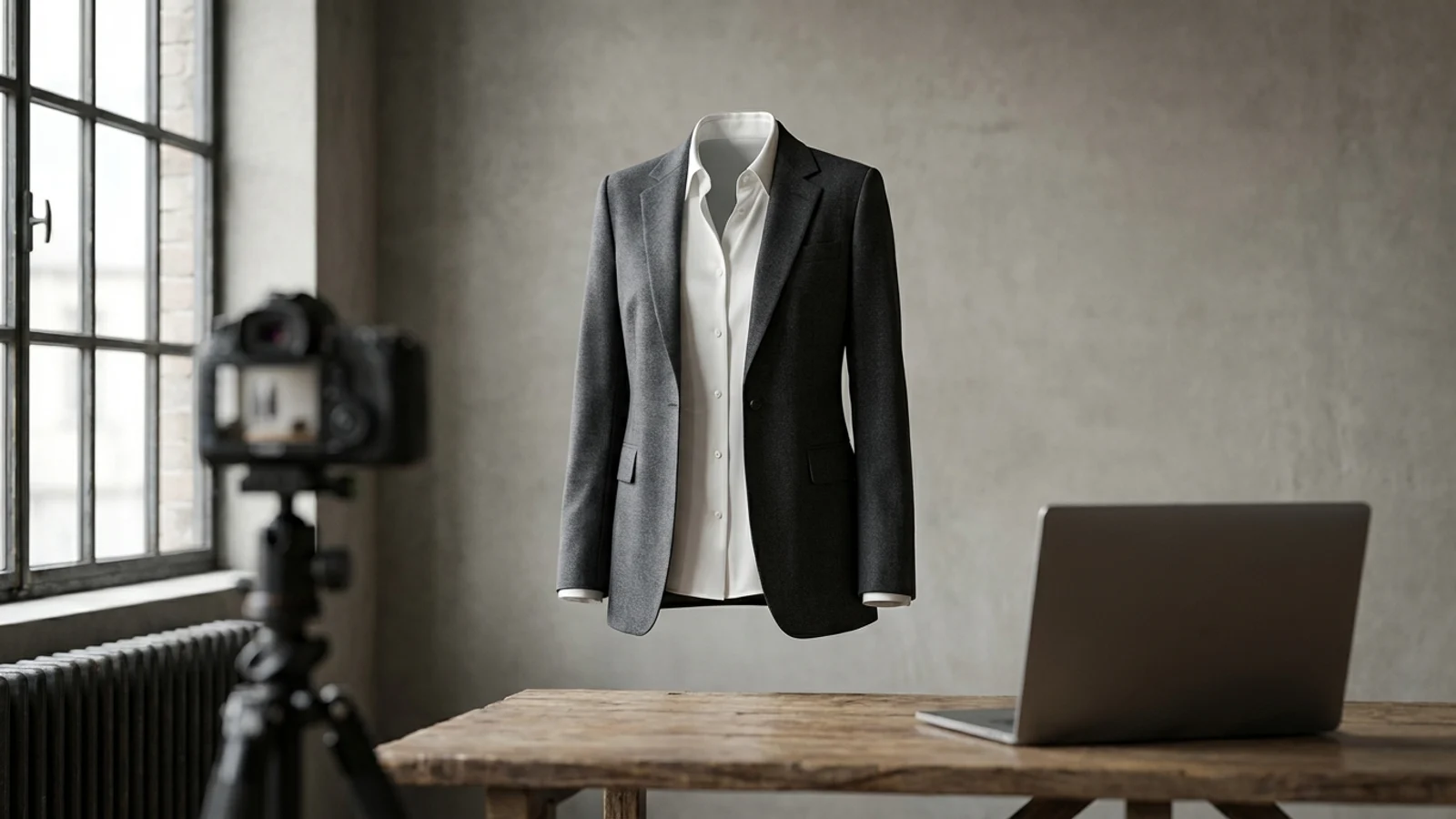
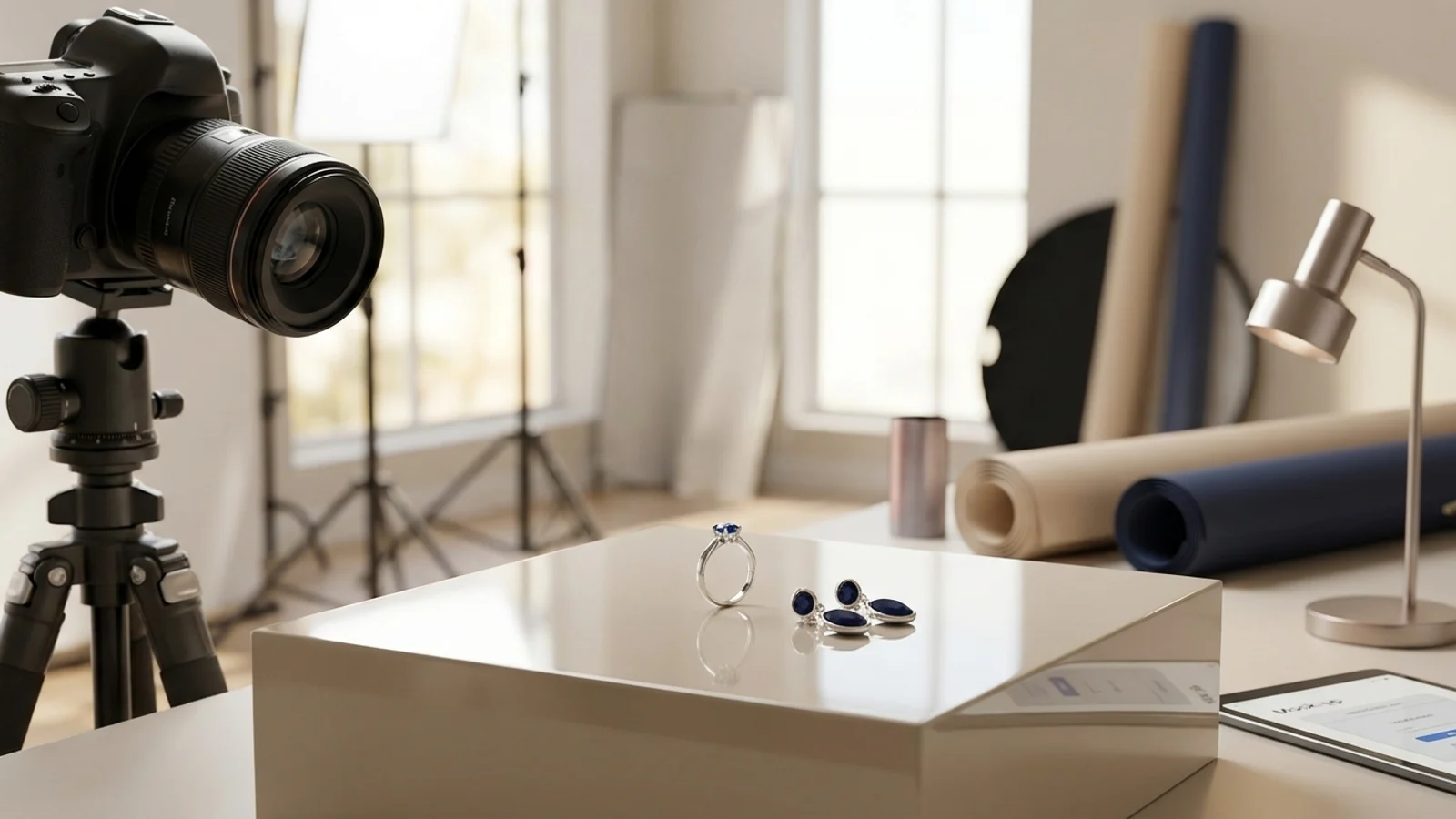
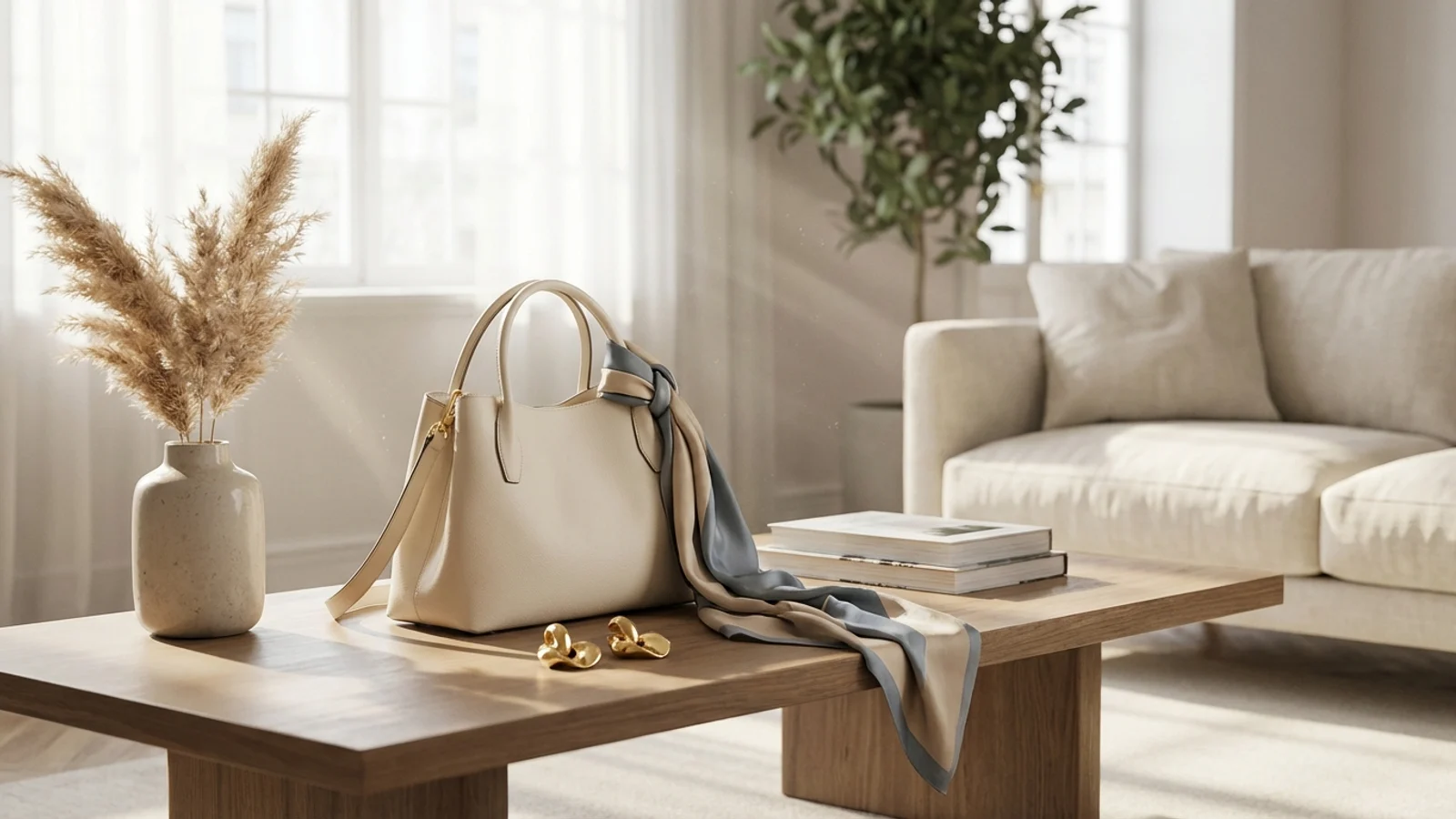
Lifestyle product photography turns the product from a single object sitting on a white background into something placed within real life. In this kind of image, shoppers see where, by whom, with what feeling, and how a product can be used. As a result, the product is perceived not just as a technical object, but as a piece of a desirable lifestyle.
This is especially pronounced in categories like fashion, bags, cosmetics, jewelry, and home decor, because in these categories shoppers buy not only function but also style and feeling. Lifestyle imagery makes exactly this layer visible.
Catalog images and lifestyle images play different roles
Catalog or white-background images explain what the product is. Lifestyle images explain why the product is appealing. Using one in place of the other usually produces an incomplete result. White backgrounds are essential for the product page, while lifestyle frames work powerfully in ads, social media, banners, and premium category pages.
That’s why the right approach for brands is usually to use both together. Shoppers first see the product clearly, then see it within real life. This sequence strikes the balance between trust and desire.
Its effect on ad performance and brand perception
Lifestyle product photos can capture higher attention, especially in Meta, TikTok, Pinterest, and display ads, because within the feed shoppers see not just the object but its story. This strengthens brand perception at the very first interaction. The product can start to look more valuable without looking more expensive.
At the same time, lifestyle images establish the brand’s aesthetic world. When the color palette, lighting language, model selection, and scene world are consistent, brand memory forms. That’s why lifestyle frames matter not only for performance but also for building the brand.
Why does AI speed up lifestyle content production?
Traditional lifestyle shoots require a set, models, a location, styling, and production. AI-assisted product photography tools, however, make it possible to move existing product shots into different scenes. That way, for a single bag you can prepare a city-hotel scene, a clean office scene, and a street-style variation far more quickly.
Of course, quality control is still needed. No matter how beautiful the lifestyle scene is, the product’s form and authenticity must be preserved. The most effective result emerges when rich usage scenes are produced without losing product accuracy.
Sources