The biggest problem with eyewear: reflections and loss of form
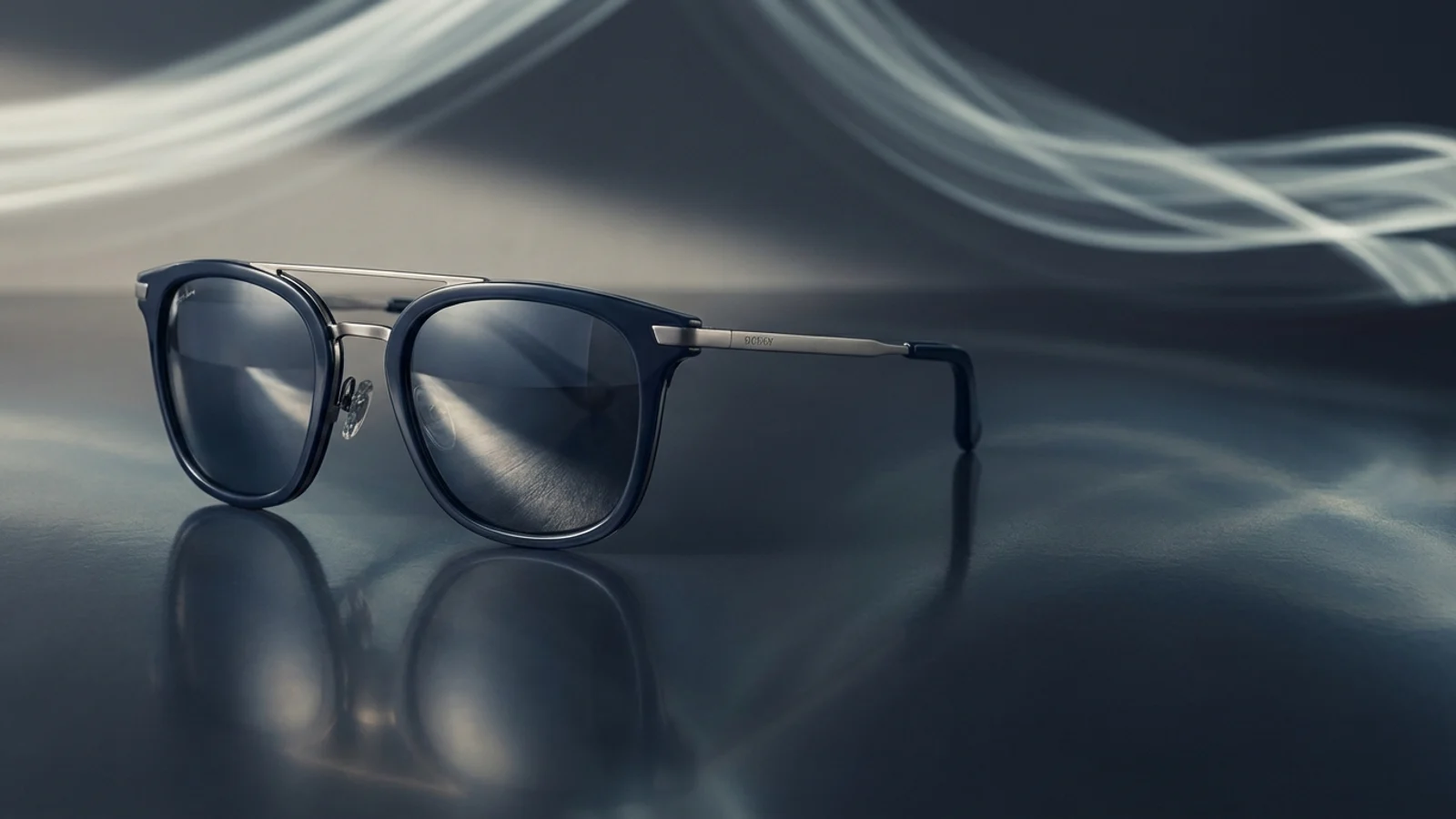
One of the most common problems when shooting eyewear product photos is reflection. Glass surfaces easily reflect the surroundings and light sources. This can weaken the frame’s form, the lens color, and the premium perception of the product. What’s more, when there’s too much reflection, the shopper can’t make out the product details, and this makes the decision harder.
Good eyewear photography isn’t about trying to eliminate reflection entirely; it’s about bringing it under control. That’s because a slight reflection gives a natural look. The real goal is to set up a lighting arrangement that doesn’t overshadow the eyewear’s form and material quality. The product visual looking “clean” makes a big difference here.
Why is a flat product shot necessary?
No matter how important model-based usage is, a flat product shot is still necessary in the eyewear category. The shopper first wants to clearly see the frame’s form, the temple structure, the lens tone, and the overall design. For this reason, showing the product on its own in the main frame, without distracting elements, often delivers good results.
A flat product visual is also critical for shoppers who filter and make quick comparisons. Especially in large catalogs, the shopper evaluates different eyewear models side by side. At this stage, presenting the product in a clear and standardized way provides a big advantage.
Why does model-based usage influence the decision?
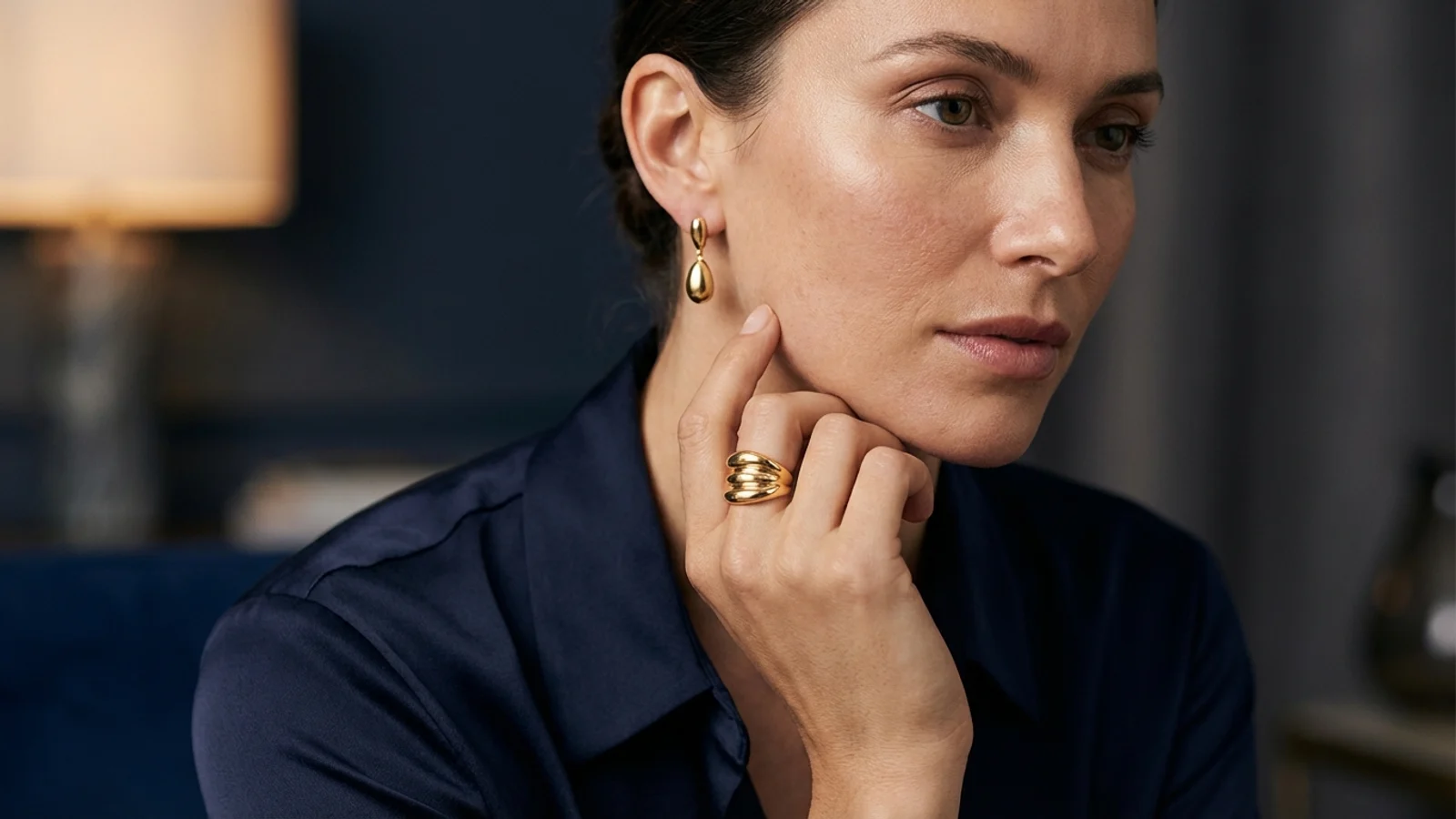
Eyewear is not just a product; it’s also an accessory that sits on the face. For this reason, the shopper wonders how the frame looks on a face. This is where model-based usage comes in. Showing the eyewear on different face types makes the product more understandable for potential buyers. This is especially important in online shopping, since there’s no opportunity to physically try it on.
AI-powered solutions for putting eyewear on a model offer a serious advantage here. It becomes possible to show the same eyewear on different face shapes, different skin tones, and in different styles. This way, your audience can see examples closer to themselves, and the purchase decision can be accelerated.
What does the most effective eyewear visual set look like?
The ideal visual set for the eyewear category should include a flat product visual, a close-up detail, a side view, and at least one model-based usage. If the product is in the premium segment, a lifestyle approach can also be added. This way, the shopper gets both technical and aesthetic information.
This structure is important not just for conversion, but also for reducing return risk. When the shopper grasps the relationship between the eyewear and the face more accurately, they set their expectations more clearly. In the end, a good eyewear product photo should be explanatory before it is stylish.
Sources