What does Hepsiburada user behavior reward?
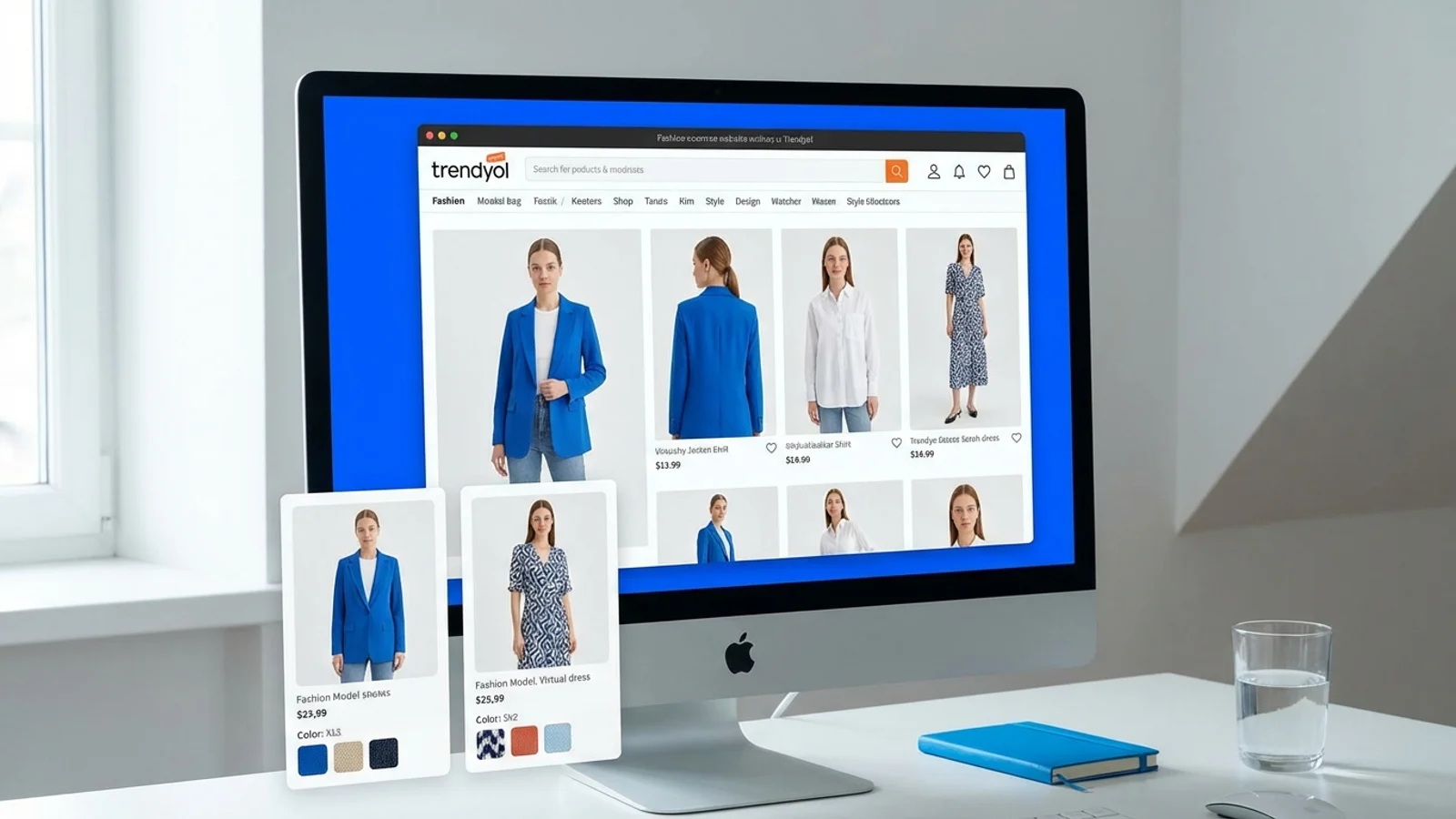
On Hepsiburada, users often examine product details in a comparative way. For this reason, it is not enough for only the first visual to be strong; once the product page opens, the visual set needs to answer the user’s questions quickly. Although it varies by category, dimensions, material, close-up quality and the product’s context of use are very important. Especially in non-electronics categories, the visual is one of the fastest ways to build trust.
What this means is this: a Hepsiburada product image should be not just “beautiful” but explanatory. The product’s outer form, function and sense of quality should be readable from the visuals. If it is jewelry, shine and stonework; if it is a bag, stitching and inner volume; if it is clothing, fit and the way the fabric falls should be clearly present in the visual set.
Separate the roles of the main image and the supporting images
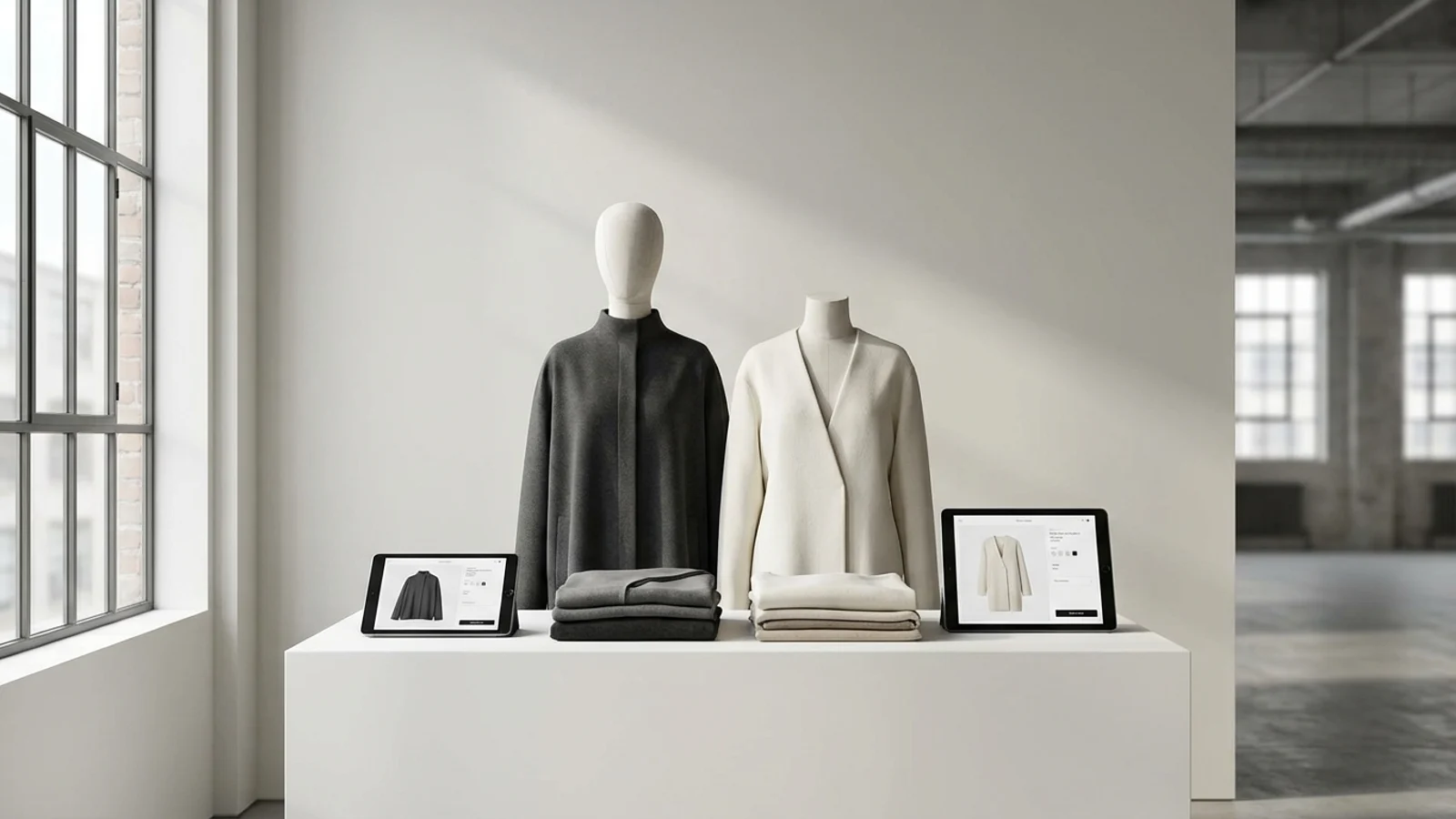
The role of the main image is to introduce the product clearly. The role of the supporting images is to persuade the user. When this distinction is not made, the page looks cluttered. Some sellers try to build too much story into the main image, while others make all the visuals look alike. Yet the user wants to see new information in each visual. There is limited benefit in simply showing the product over and over again.
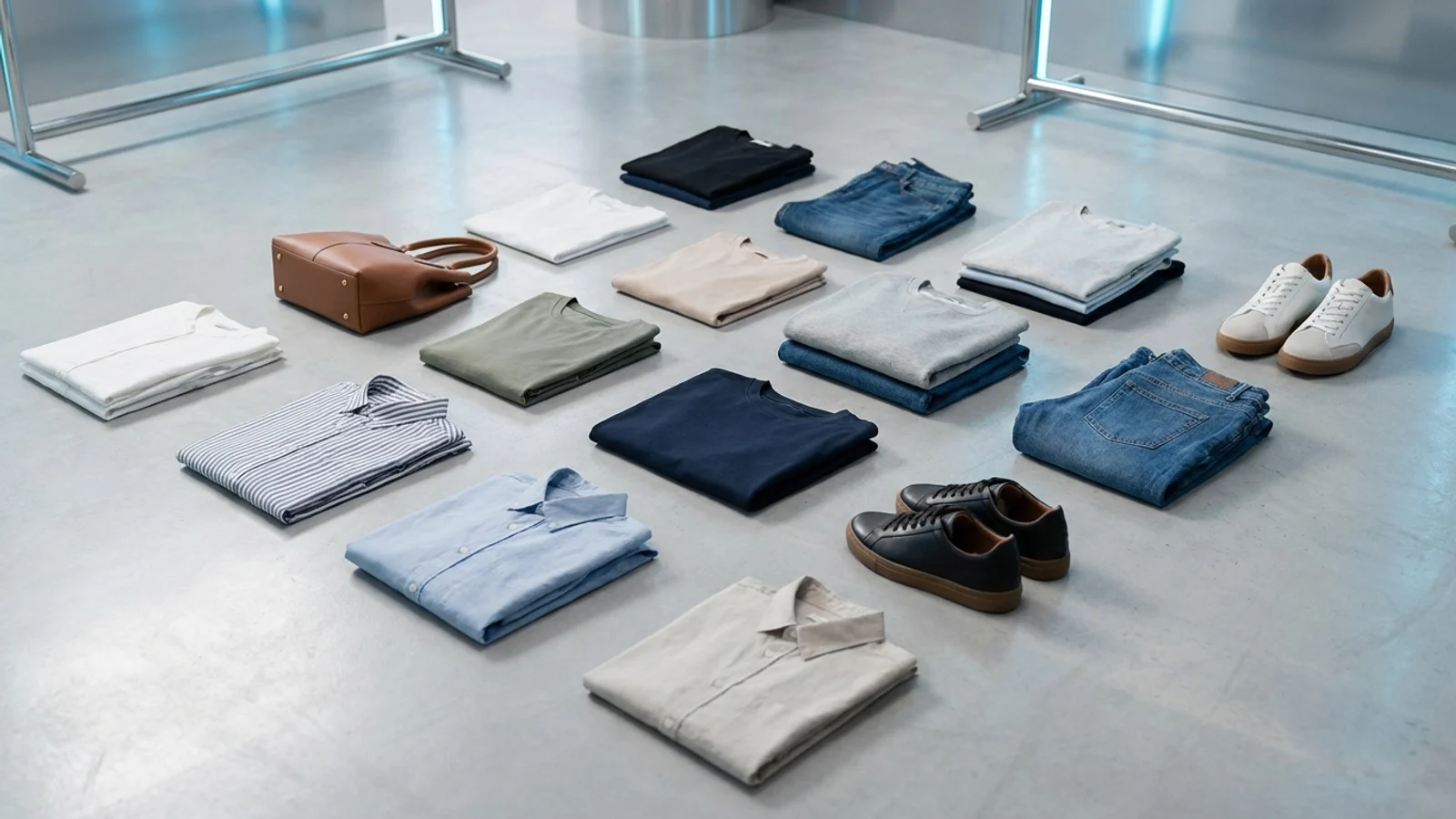
In a well-built visual set, the main image is plain; the second and third frames show details; and the later frames convey the context of use. If the product is an accessory, showing scale on a person is important. If it is clothing, it should be shown from the front, side and back in use. If it is eyewear, the frame should be presented in relation to the face.
- Main image: introduce the product
- Detail images: show the quality
- Lifestyle frames: convey the use
How should AI-powered visuals be used for Hepsiburada?
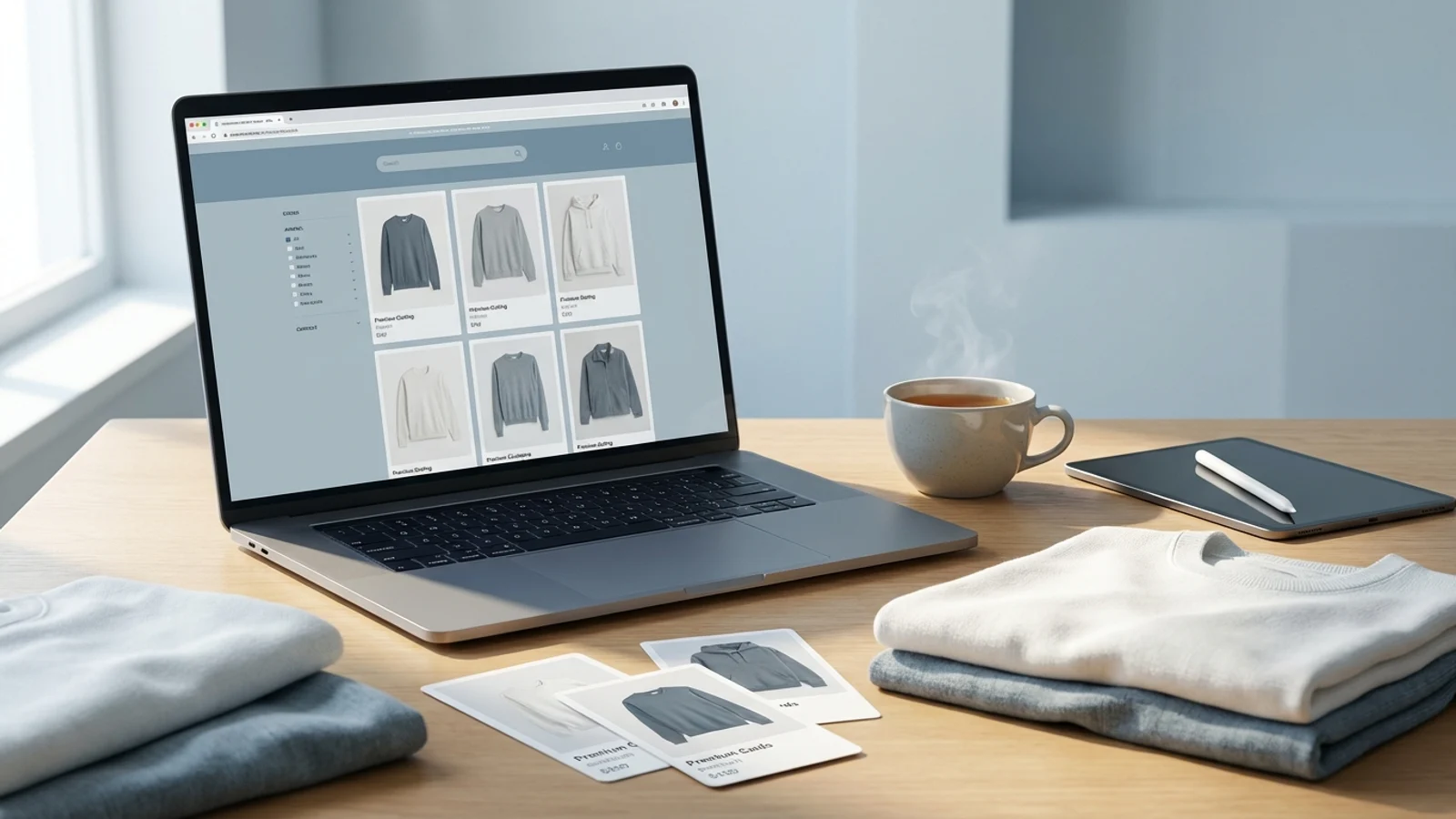
AI-powered product visuals are especially advantageous here for producing variations. For example, you can keep the main product shoot fixed and generate different usage scenarios in the supporting images. This approach lets you prepare content much faster than shooting anew one by one. However, the main rule here is the same: an AI visual should not alter the physical reality of the product to the point of misleading the user.
For this reason, AI-supported visuals work best in these areas: lifestyle scenes, on-model use, background variations, detail emphasis and campaign creatives. For frames that convey the product’s basic form, a more controlled and plain approach should be preferred. In other words, AI is not an alternative to explanatory photography but a layer that complements it.
How does visual quality affect returns and satisfaction?
Visuals on a product page that create the wrong expectation for the user generate not only low conversion but also subsequent dissatisfaction and return risk. Especially in clothing and accessories, presenting the color tone, the sense of size and the way the product is used far from reality creates problems. When a user receives the product and says “I imagined this differently,” it is usually related to content quality.
For this reason, a good visual for Hepsiburada is one that manages expectations correctly as much as it boosts sales. Rather than making the product look better than it is, showing it more clearly and accurately contributes more to store ratings and customer satisfaction in the long run. From this perspective, visual optimization is not only a marketing job but a customer experience job.
Sources