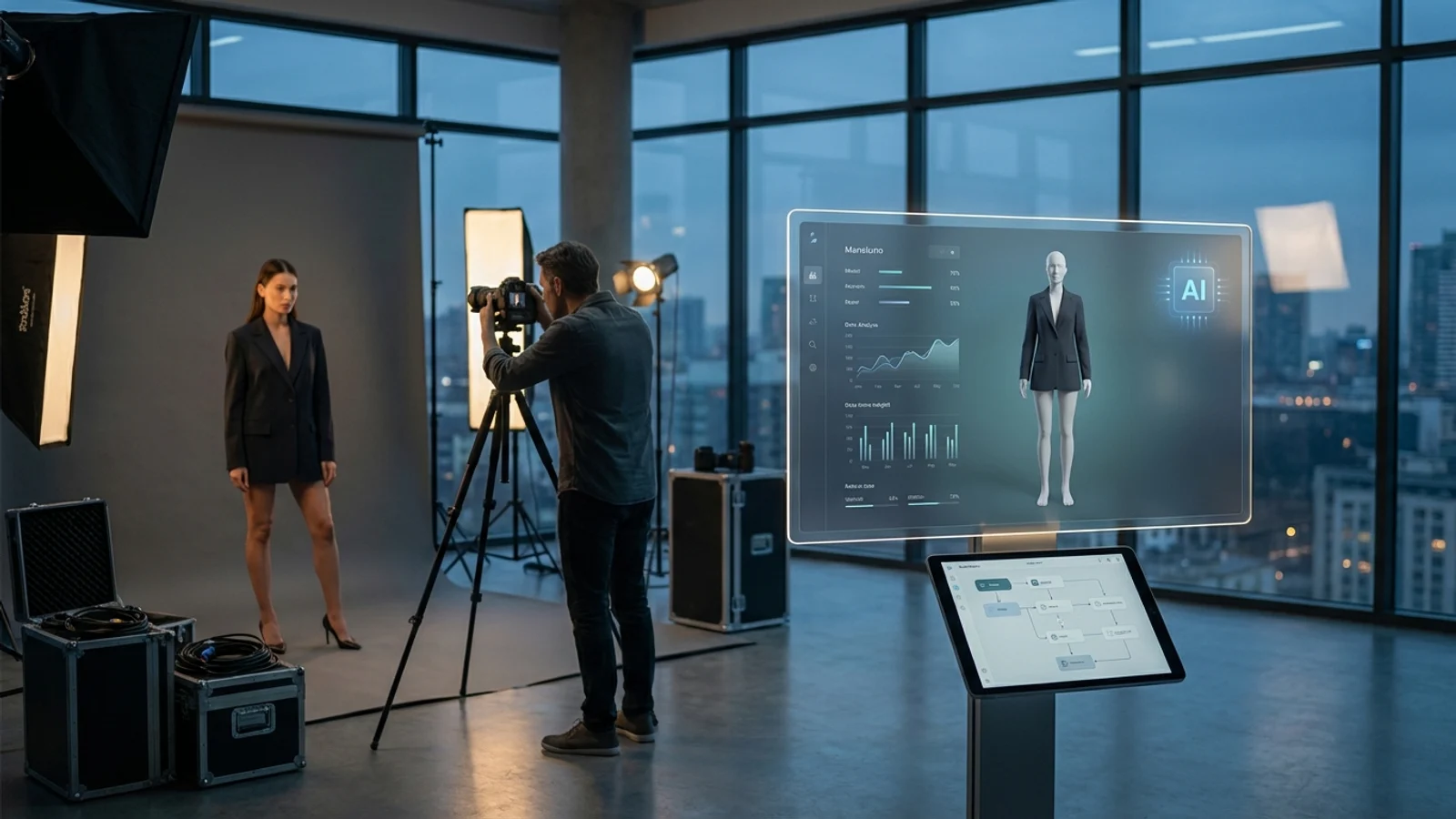
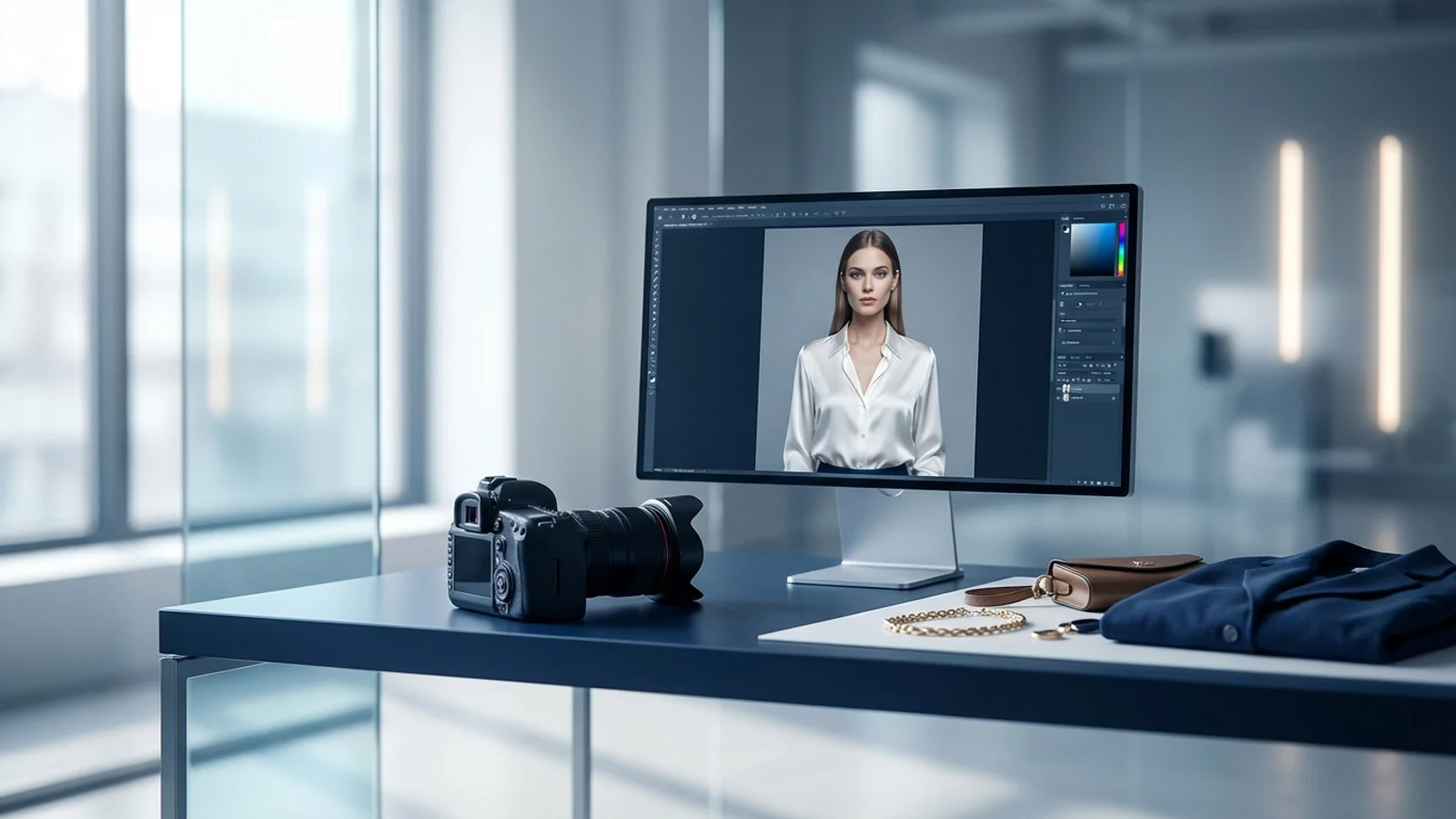
First step: preparing a good product image
Contrary to what many people think, the quality of AI-generated product photography does not depend only on the quality of the model or the prompt. The foundation of the process is the input image. If the product was shot in poor light, at a crooked angle, wrinkled, or blended into its background, it becomes much harder for the AI to bring it up to a commercial standard. That is why the starting point requires a clean, sharp image that accurately conveys the product’s form.
In Türkiye, many sellers believe they need expensive equipment to prepare product photos. In reality, good daylight, a plain backdrop and the right angle are enough for most categories. For jewelry, close-up sharpness matters; for clothing, form and stitching details; for bags, surface texture; and for eyewear, the shape of the frame should look clear. AI delivers the best result when it can correctly “read” the product.
Choosing the right scene and intent of use
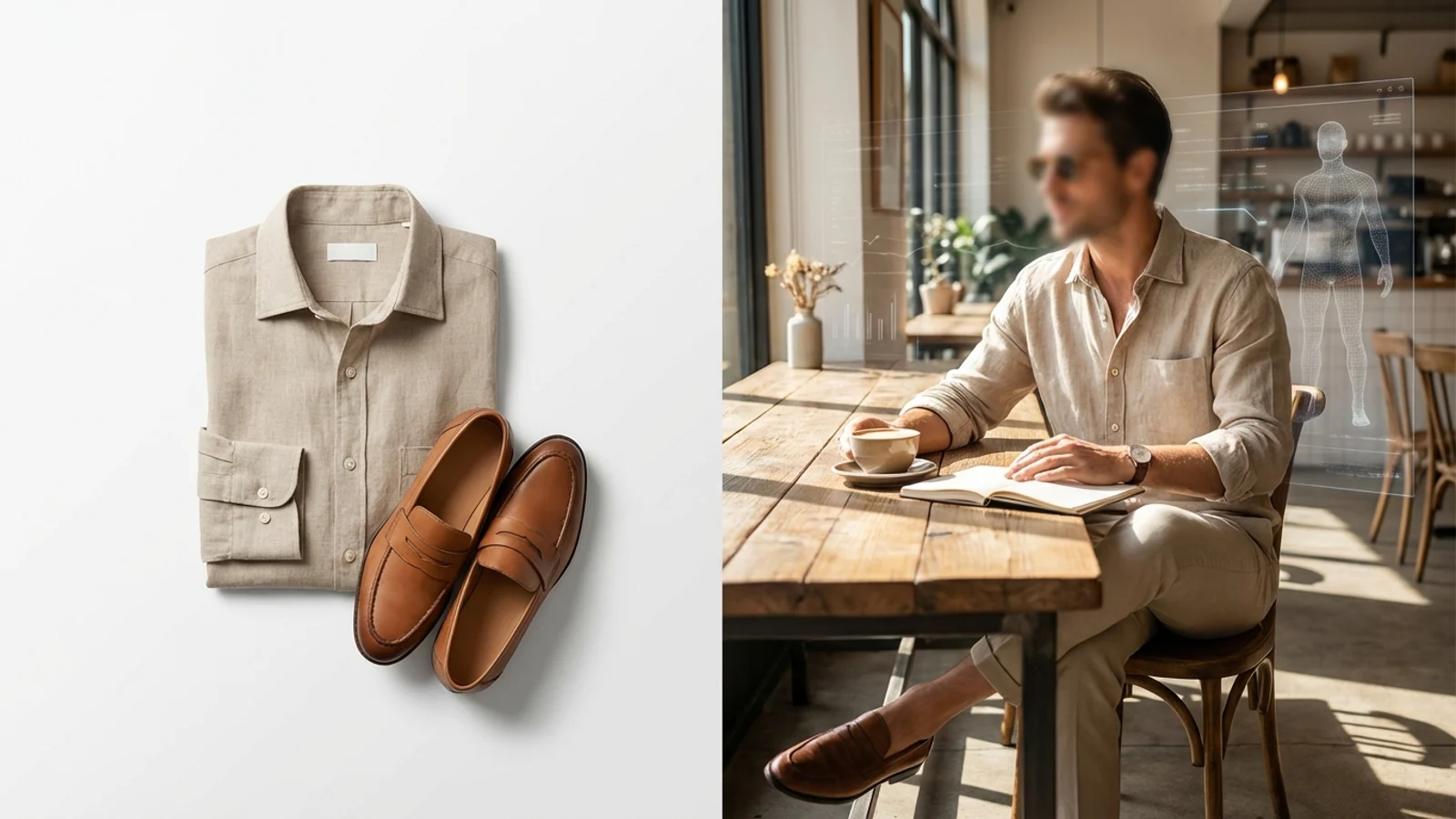
The same type of visual is not used for every product. There is a serious difference between a product photo prepared for a marketplace and a scene prepared for a hero banner on a brand’s website. A white-background catalog image highlights the clarity of the product. A lifestyle scene raises the context of use, the brand feel and the premium perception. For this reason, before generating a visual with AI, you should clearly answer the question “where will this image be used.”
For example, a bag may need a flat product image on its main product page, while a lifestyle version of it being carried by hand may perform better in an Instagram ad. For eyewear, on-model use can be critical. For jewelry, it is sometimes more persuasive to show a ring and earrings together as a set rather than separately. In other words, AI production is really about designing a visual system for different points in the sales funnel.
- A clean, simple composition for the main marketplace image
- Story-telling lifestyle frames for the brand website
- Eye-catching but legible scenes for ad visuals
Thinking in checklists rather than prompts is more accurate
The prompt is important in AI product photography; however, it is not the only magic key on its own. The most efficient teams work with a checklist instead of just writing prompts. Who will the model be, at what angle will the product appear, is the brand language warm or minimal, is the background plain or dramatic, will the product color be preserved, where will the output format be used; all of these items need to be defined in advance.
This approach ensures reproducibility. In other words, the quality and brand consistency between the image you produce today and a campaign visual produced two weeks later are preserved. This is especially valuable for teams producing content by category. Because the real issue is not finding one beautiful frame on a single occasion, but establishing a consistent visual standard across hundreds of products.
Do not expect SEO and conversion gains without quality control
AI-generated visuals must always go through a final check. Questions like whether the stone cut in jewelry has been distorted, whether the stitch line in clothing looks abnormal, whether the strap structure of a bag has changed, or whether the lens of eyewear reflects in an illogical way should all be checked. Even if a shopper does not notice a small mistake at first glance, when an overall sense of artificiality forms, the product’s credibility can drop.
A similar logic applies on the SEO side. Google does not treat a visual as a problem simply because it was generated with AI; what matters is the quality of the page experience and whether it is genuinely useful for the user. Weak, copied, low-intent visuals that are disconnected from context, on the other hand, drag down the overall value of the page. For this reason, quality control is not an aesthetic decision but a growth decision.
The most efficient use cases in the Turkish market
In the Turkish market, AI product photography delivers quick returns especially in the clothing, jewelry, cosmetics, bag, footwear and accessory categories. In these categories, product variation is high and shooting separately for every SKU is difficult. Here AI creates an advantage in time, cost and speed. It is also well suited to producing new themed visuals during campaign-heavy periods.
For small businesses, the most sensible starting point is to first choose a single category and build strong templates within it. After that, you should expand into different use cases such as the product page, the category banner, social media and ad creatives. Seen this way, producing product photography with AI is not just about making visuals; it means scaling the brand’s entire content operation.
Sources